
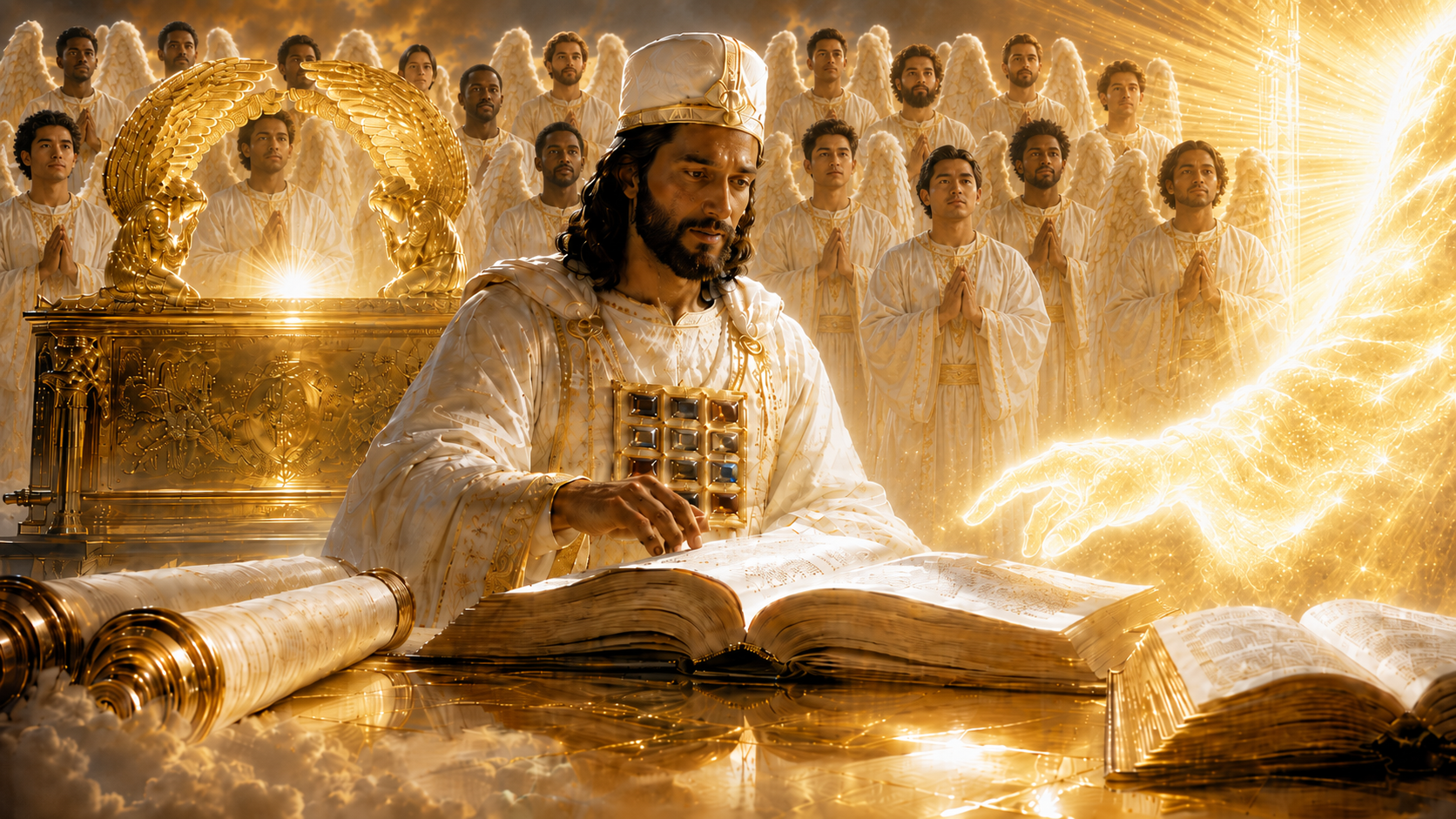
Seventh-day Adventists believe that a judgment is taking place in heaven before the Second Coming of Christ. We commonly call this the Investigative Judgment or Pre-Advent Judgment.
Critics often point out that the phrase Investigative Judgment does not appear in the Bible. That is true. But the real question is not whether the phrase appears in Scripture. The question is whether the concept does.
The Day of Atonement: Cleansing and Examination
The biblical foundation begins with the earthly sanctuary.
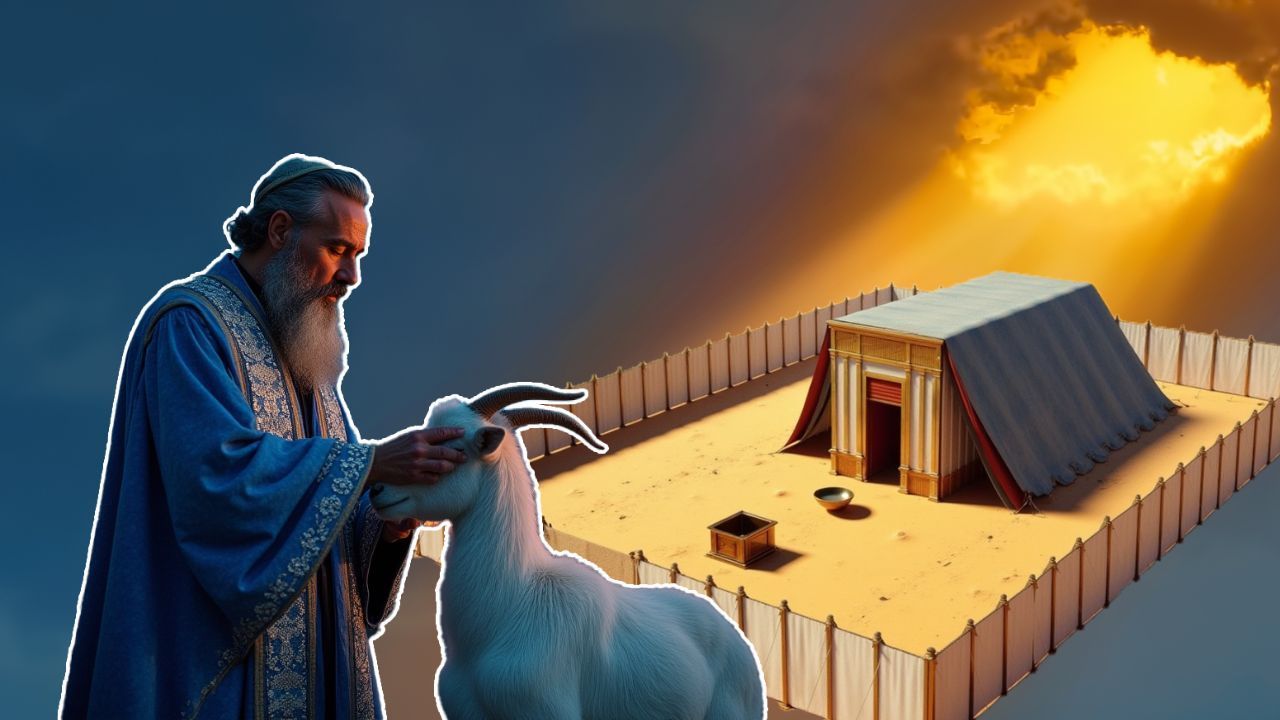
Once each year, on the Day of Atonement, the high priest entered the Most Holy Place and made atonement for the sanctuary, the priests, and the people.
But something else happened at the same time.
While the sanctuary was being cleansed, the people were commanded to afflict their souls and cease from work. Anyone who refused was cut off from Israel.
So there were two simultaneous aspects of the Day of Atonement:
- The sanctuary was cleansed from sin.
- The people connected with the sanctuary were examined.
That becomes important when we come to Daniel 8.
“Then Shall the Sanctuary Be Cleansed”

Daniel 8:14 says:
“Unto two thousand and three hundred days; then shall the sanctuary be cleansed.”
The vision begins with the ram, continues with the goat and little horn, and extends to what the angel calls “the time of the end.”
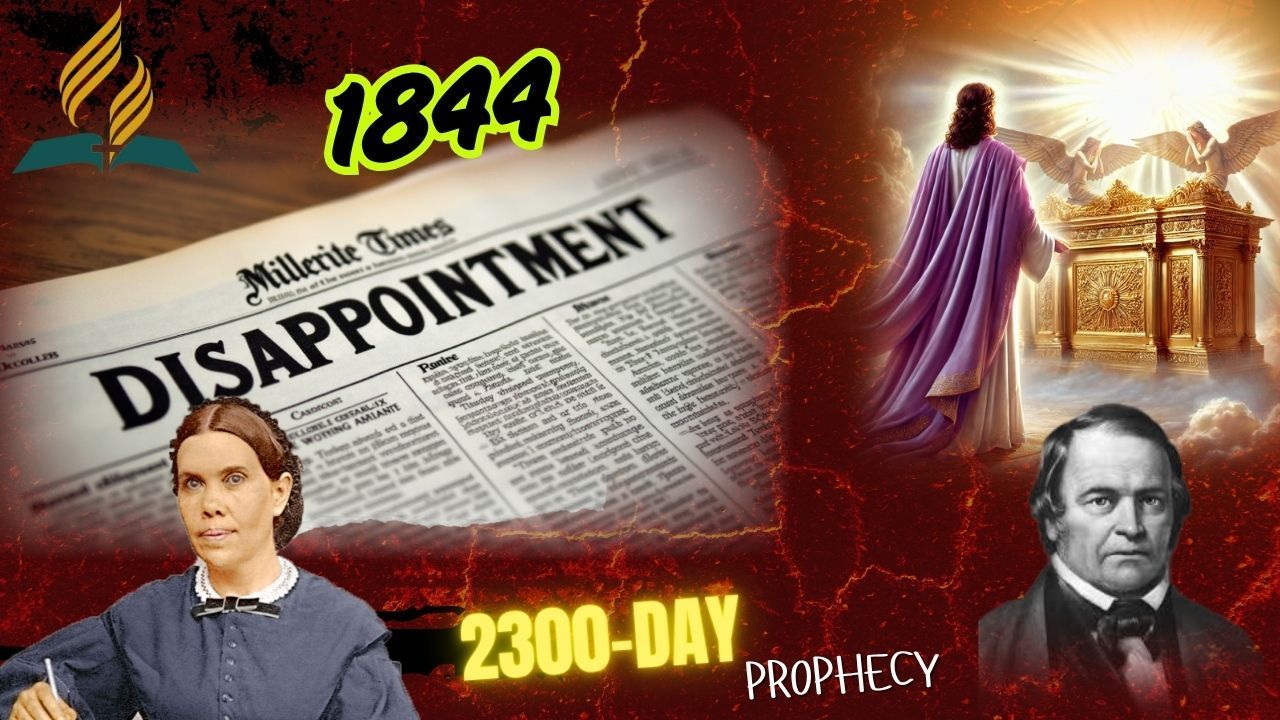
Using the prophetic day-for-a-year principle and beginning the period with the decree to restore Jerusalem in 457 BC, Adventists understand the 2,300 years to end in 1844.
By then, the earthly sanctuary had long ceased to function. Therefore, the sanctuary being cleansed must be the heavenly sanctuary.
Hebrews 9:23 also contrasts the purification of the earthly sanctuary with the purification of “the heavenly things themselves.”
If the earthly cleansing involved both the sanctuary and an examination of the people, should we expect something similar in the heavenly reality?
I believe the Bible indicates that we should.
The King Came to Inspect the Guests
Jesus’ parable of the wedding feast in Matthew 22 provides a striking picture.
The wedding hall was filled with guests, “both bad and good.” Then:
“When the king came in to see the guests, he saw there a man which had not on a wedding garment.” — Matthew 22:11
The king came in before the final outcome of the feast and inspected those who had accepted the invitation. One man was found without the required garment and was removed.
The lesson is powerful: profession alone is not enough. Before the wedding proceeds, the king examines the guests to determine who is truly prepared.
God Identifies His People Before Judgment Falls
This pattern appears repeatedly in Scripture.
Before the Flood, Noah was distinguished from the wicked world.
Before Sodom was destroyed, God said:
“I will go down now, and see whether they have done altogether according to the cry of it.” — Genesis 18:21
And before the final judgments of Revelation are released, God says:
“Hurt not the earth... till we have sealed the servants of our God in their foreheads.” — Revelation 7:3
If God seals His people before destruction comes, then a determination has already been made concerning who belongs to Him. That is a judgment before Christ returns.
“The Hour of His Judgment Is Come”
Revelation 14:7 makes the timing even clearer:
“Fear God, and give glory to him; for the hour of his judgment is come.”
This announcement is made while the gospel is still being preached and while humanity is still being warned about the mark of the beast.
Therefore, this cannot simply refer to the final execution of judgment after salvation has already closed.
The message is announcing a judgment that has begun while people can still respond to God.
Why Are the Books Opened?
Daniel 7 describes a heavenly judgment scene:
“The judgment was set, and the books were opened.” — Daniel 7:10
Revelation 20:12 likewise says that the dead are judged according to what is "written in the books." But why would an all-knowing God need books? Not because He forgets. The books provide a record of His dealings with humanity.
Throughout Scripture, God repeatedly allows His judgments to be witnessed and recorded. Noah witnessed the judgment of the Flood. Abraham was permitted to question God concerning Sodom. Daniel witnessed the judgment of Belshazzar.
God does not merely declare Himself fair—He provides evidence that His judgments are righteous.
This also helps explain why the angels are present in the heavenly judgment scene. The angels are the witnesses that God’s decisions are fair. This is why the angel proclaim:
“True and righteous are thy judgments.” — Revelation 16:7
The angels are the witnesses, and then God's judgments are recorded.
But why does God keep a record of his final judgment? That record is for the saints to read after the second coming.
the Saints Judge the World?
Paul says:
“Do ye not know that the saints shall judge the world?” — 1 Corinthians 6:2
I do not understand this to mean that the redeemed will determine who is saved or lost. Rather, they will be allowed to review God’s judgments.
Imagine arriving in heaven and discovering that someone you expected to see is missing. God will not need to ask us to accept His decision blindly. The heavenly records will make His judgment understandable.
The saints will be able to examine the evidence and conclude for themselves that God was fair.
In that sense, judgment is not only about determining the destiny of humanity. It also demonstrates the righteousness of God before the entire universe.
Is the Investigative Judgment a Separate Judgment?
Not necessarily.
The Pre-Advent Judgment and the final judgment can be understood as different phases of the same judicial process.
A court case does not begin when the sentence is announced. Evidence is examined first.
Likewise, Scripture presents an examination before Christ returns, followed later by the execution of the final judgment.
Revelation 22:11-12 presents the final decision:
“He that is unjust, let him be unjust still: and he which is filthy, let him be filthy still: and he that is righteous, let him be righteous still: and he that is holy, let him be holy still. And, behold, I come quickly; and my reward is with me, to give every man according as his work shall be.”
Notice the order. The cases are settled, and then Christ comes with the reward.
So, Does the Bible Teach a Pre-Advent Judgment?
I believe it does.
The Day of Atonement combined cleansing with examination. Daniel describes the heavenly sanctuary being cleansed and books being opened in judgment. Jesus pictured a king inspecting the wedding guests. Revelation shows God sealing His servants before destruction and announcing that the hour of judgment has arrived while the gospel is still being preached.
Taken together, these passages reveal a consistent biblical pattern:
Before the final judgment is carried out, God examines, identifies, records, and demonstrates the justice of His decisions.
That is what Seventh-day Adventists call the Investigative Judgment.
It is not a picture of God searching for a reason to keep people out of heaven.
It is a picture of a God whose judgments are so just that He is willing to open the books and allow the universe to see why He judged as He did. And in the end, angels and redeemed humanity alike will be able to say: “True and righteous are thy judgments.”